Address
304 North Cardinal St.
Dorchester Center, MA 02124
Work Hours
Monday to Friday: 7AM - 7PM
Weekend: 10AM - 5PM
Address
304 North Cardinal St.
Dorchester Center, MA 02124
Work Hours
Monday to Friday: 7AM - 7PM
Weekend: 10AM - 5PM

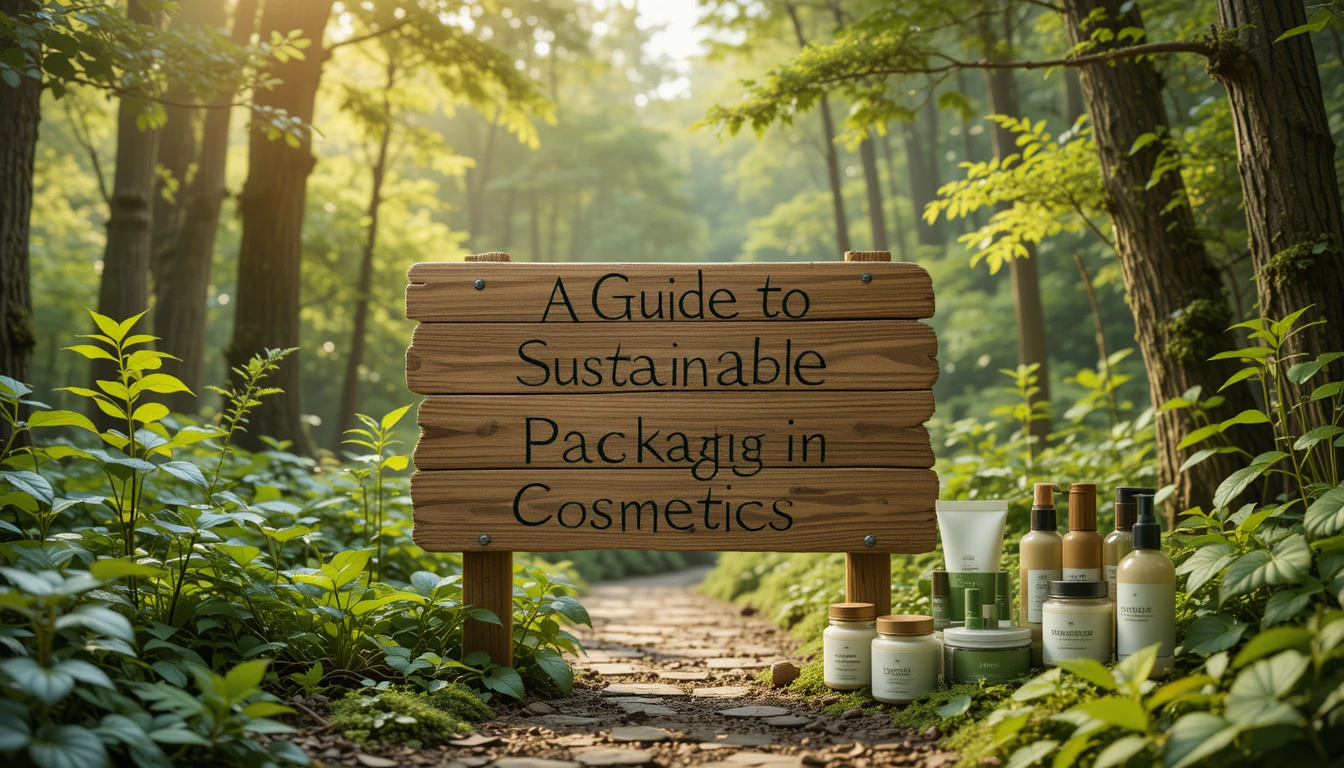
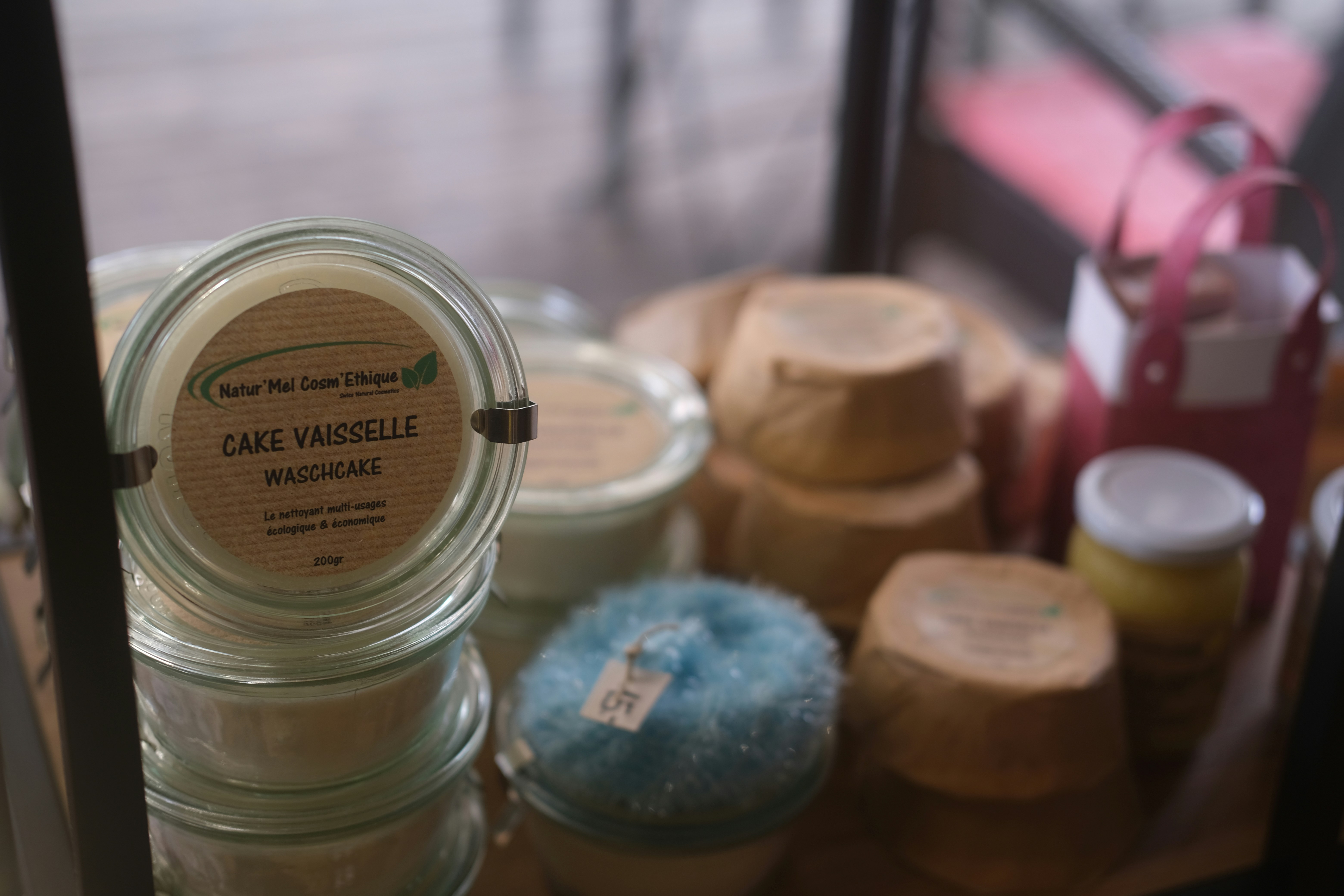
In recent years, the concept of the conscious consumer has gained significant traction, fundamentally altering the landscape of various industries, including cosmetics and personal care. These consumers, characterized by their heightened awareness of social and environmental issues, seek to align their purchasing decisions with their values. Motivated by a desire for sustainability, ethical sourcing, and corporate responsibility, the conscious consumer demands more than just effective products; they desire transparency and accountability from the brands they support.

Conscious consumers are typically well-informed, utilizing digital platforms and social media to research products, scrutinize ingredients, and analyze packaging materials. Their priorities extend beyond mere functionality to encompass the ecological footprints of the products they choose. This shift in consumer behavior has compelled companies within the cosmetics and personal care sector to reconsider their supply chain practices and packaging choices.
The impact of this evolving demographic is profound. Brands that fail to demonstrate a commitment to sustainable practices risk losing market share to competitors that emphasize environmental integrity. As a result, sustainable packaging has transitioned from being a simple marketing tool to a critical component of a brand’s identity and value proposition. Consumers today are more inclined to support businesses that not only promote biodegradable or recyclable materials but also prioritize minimal packaging and innovation in eco-friendly solutions.
This growing trend highlights the necessity for transparency in product offerings, particularly regarding packaging. As consumers continue to push for meaningful change, businesses must adapt their strategies to meet the demands of this conscientious market. Embracing sustainable packaging is more than a passing trend; it has become an essential requirement for companies aiming to thrive in an increasingly competitive landscape. The conscious consumer is not just reshaping the present; they are redefining the future of the cosmetics and personal care industry.
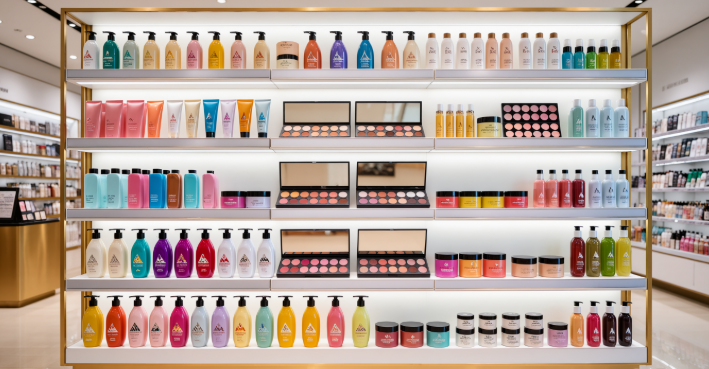
The cosmetics and personal care industry has evolved into a dynamic and multifaceted sector, characterized by a substantial presence of mass-market brands that dominate the market landscape. These major players leverage economies of scale to maintain competitive pricing and widespread accessibility, often overshadowing smaller businesses that struggle to carve out their unique identities in this chaotic environment. Despite the challenges posed by large corporations, there remains an opportunity for niche brands to thrive by focusing on specific consumer needs and preferences.
In recent years, the demand for sustainable and ethical products has surged, prompting consumers to gravitate towards brands that align with their values. This shift is partly driven by increased awareness of environmental issues and the social implications of production processes. As a result, consumers are increasingly seeking out cosmetics and personal care items that not only promise quality and effectiveness but also demonstrate a commitment to sustainability. Therefore, small businesses can succeed by emphasizing environmentally friendly packaging solutions, ingredient transparency, and ethical sourcing practices.
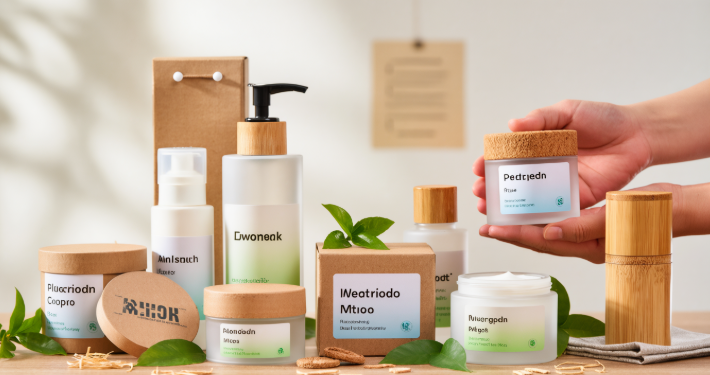
In recent years, the conversation surrounding sustainable packaging has gained increasing traction, especially in the cosmetics and personal care industries. Traditional packaging materials, such as plastics, contribute significantly to environmental degradation through pollution and waste accumulation. These materials can take hundreds of years to decompose, leading to long-term ecological harm, while the production processes often contribute to greenhouse gas emissions. With growing consumer awareness of these issues, companies are under increasing pressure to adopt more environmentally friendly practices, including the use of sustainable packaging.
Transitioning to compostable and sustainable materials presents numerous advantages for brands. Firstly, it aligns with the values of a growing demographic of eco-conscious consumers who prioritize sustainability in their purchasing decisions. By opting for packaging made from biodegradable materials or recycled content, brands not only minimize their environmental footprint but also resonate with consumers who are seeking to make responsible choices. This shift can enhance a brand’s image, fostering loyalty among those who appreciate sustainability initiatives.
Moreover, adopting sustainable packaging strategies can lead to long-term business success. As regulatory pressures increase globally, brands that proactively implement sustainable practices position themselves effectively to comply with future legislation concerning packaging waste and emissions. Additionally, sustainable packaging can differentiate a brand in a competitive marketplace, appealing to new customer segments. By showcasing commitment to sustainability, companies can enhance their market reputation, attract partnerships, and tap into the growing sectors of conscious consumerism.
Ultimately, the importance of sustainable packaging extends beyond just eco-friendliness; it encapsulates a holistic approach to responsible business practices that can drive innovation, operational efficiency, and customer loyalty. As the cosmetics and personal care industries continue to evolve, sustainable packaging will play a pivotal role in shaping their future.
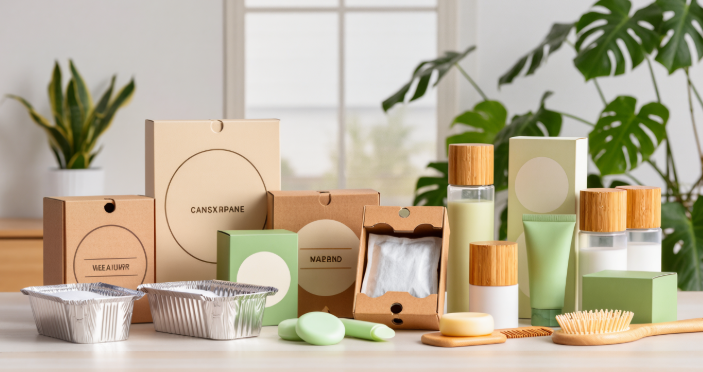
As the demand for eco-friendly products escalates, the cosmetics and personal care industry is increasingly exploring sustainable packaging solutions. Various materials are emerging as viable alternatives to traditional packaging, each offering distinct advantages and challenges. Understanding these options is crucial for brands aiming to minimize their environmental footprint.
Biodegradable plastics, derived from renewable resources like cornstarch or sugarcane, offer a promising solution. These materials decompose over time, unlike conventional plastics, which can take hundreds of years to break down. However, it is essential for consumers to consider that the conditions for biodegradation can vary significantly, requiring specific environments, such as industrial composting facilities, to be effective.
Glass remains a popular choice in sustainable packaging, known for its recyclability and inert nature. Containers made from glass can be reused multiple times, significantly reducing waste. The challenge with glass lies in its weight, which can increase transportation emissions. Furthermore, the potential for breakage during shipping can pose additional costs for companies utilizing glass packaging.
Metal packaging, particularly aluminum, is another sustainable option. Aluminum is lightweight and fully recyclable, making it an efficient choice for both manufacturers and consumers. However, the production process can be energy-intensive, potentially offsetting some of its sustainability benefits. It is essential to ensure the aluminum used is sourced responsibly and recycled accordingly.
Finally, compostable materials, such as mushroom-based or paper products, present a unique alternative that can decompose into organic matter. These materials often require specific composting conditions but can significantly reduce landfill waste when disposed of properly. Brands must assess the life cycle and disposal options of these materials to ensure their sustainability claims are substantiated.
In evaluating the various sustainable packaging solutions, it is clear that cosmetics and personal care brands have a plethora of options to minimize environmental impacts while appealing to eco-conscious consumers. Selecting the right packaging requires a balanced consideration of functionality, sustainability, and consumer education.
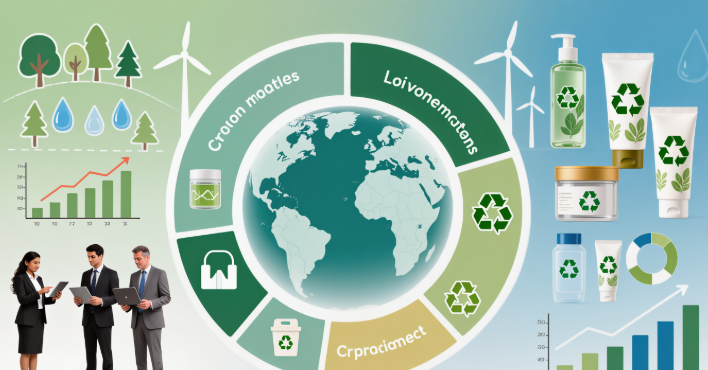
For cosmetic and personal care brands striving to adopt sustainable packaging practices, a thorough evaluation of the current environmental impact is essential. This assessment can unveil key insights into how packaging choices affect the ecosystem. Initially, brands should consider metrics such as carbon emissions, waste generation, and the life cycle of their products. By analyzing these parameters, brands can pinpoint specific areas where eco-friendly improvements can be made.
One fundamental aspect to examine is the materials used in packaging. Brands should evaluate whether the packaging is composed of virgin materials or recycled content. Using sustainable materials, such as biodegradable plastics, recycled paper, or glass, can significantly reduce a brand’s carbon footprint. Moreover, brands should measure the resource consumption associated with production and distribution processes, emphasizing the importance of minimizing energy use and water consumption.
In addition to materials, it is important to assess the packaging design. An efficient design minimizes waste while maximizing functionality. Factors such as size, weight, and recyclability should be taken into consideration, as they contribute to both environmental impact and consumer perception. Brands can also implement a take-back program to facilitate the return and recycling of used products, which encourages sustainable consumer behavior.
Furthermore, it’s crucial to evaluate supply chain practices. Partnering with vendors who prioritize sustainability can enhance a brand’s overall environmental profile. Brands should investigate their suppliers’ practices to ensure they align with sustainable goals. Overall, a comprehensive evaluation of packaging and operational practices enables brands to identify areas necessitating improvement. By embracing these insights, brands can enhance their commitment to sustainability while maintaining their unique identity in the competitive cosmetics and personal care market.

Transitioning to sustainable packaging is a critical step for businesses in the cosmetics and personal care industry aiming to reduce their environmental footprint. The first and foremost step in this journey is to conduct a comprehensive assessment of current packaging practices. Businesses should identify the materials they currently use and evaluate their environmental impact, which serves as a baseline for making informed changes.
Next, sourcing sustainable materials is essential. Companies should prioritize biodegradable, recyclable, or compostable options when selecting packaging materials. This can include natural fibers, glass, or post-consumer recycled plastics. Engaging with suppliers that specialize in sustainable materials can provide access to innovative packaging solutions that reduce reliance on harmful materials. Establishing a strong collaboration with these suppliers will not only facilitate the sourcing process but also foster a shared commitment to sustainability.
Furthermore, businesses should consider involving their teams in brainstorming sessions to redesign their packaging. This inclusive approach can generate creative ideas that may not have been considered initially. Modular design and minimalism can also be effective strategies; by reducing excess packaging, companies can lower costs and wastage, thereby enhancing efficiency and sustainability.
Implementing changes gradually is key to minimizing disruptions to operations. Businesses can start by introducing sustainable packaging into a select range of products before rolling it out across their entire portfolio. This pilot approach allows for adjustments based on consumer feedback and logistical challenges, ensuring that the transition does not hinder sales or customer satisfaction.
Lastly, maintaining transparency with consumers regarding the transition process helps build trust and brand loyalty. Communicating the benefits of sustainable packaging can engage customers, encouraging them to support eco-friendly initiatives. By following these steps, companies can effectively transition from traditional to sustainable packaging while aligning their practices with the green revolution in the industry.
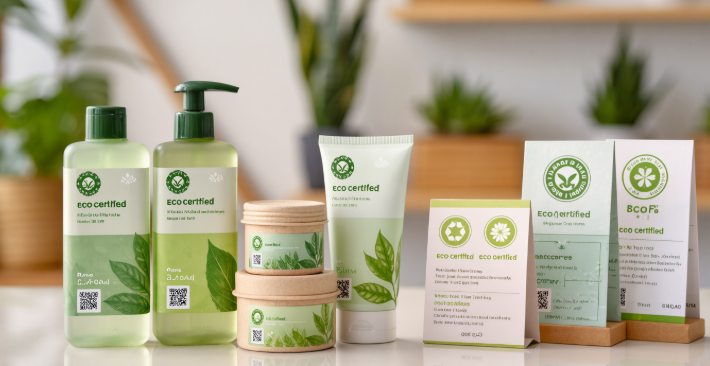
In today’s eco-conscious marketplace, effectively marketing sustainable packaging initiatives has become paramount for brands in the cosmetics and personal care sector. To successfully engage consumers, it is essential to communicate not just the sustainability of packaging but also the overarching commitment to environmental responsibility. Clear messaging can be achieved by highlighting the eco-friendly materials, production processes, and any certifications that reinforce credibility. Transparency becomes a key component; providing detailed information about sourcing, ingredients, and recycling instructions helps cultivate trust with consumers.
Building a narrative around sustainability can further engage eco-conscious audiences. Brands should consider storytelling techniques that resonate with this demographic. Sharing the journey of the product, from conception to packaging, can create an emotional connection and illustrate the brand’s commitment to the greater good. Collaborating with influencers who align with sustainable values can amplify these narratives, reaching broader audiences effectively.
Moreover, leveraging social media platforms is crucial in promoting sustainable packaging. Creating visually appealing content that showcases the benefits of eco-friendly materials alongside user-generated content can encourage community engagement. Campaigns that invite customers to share their experiences with sustainable products can foster a sense of belonging and brand loyalty. Utilizing hashtags that emphasize sustainability can increase visibility and connect like-minded consumers.
In addition to social media, brands can also explore partnerships with environmentally focused organizations or participate in green initiatives, further positioning themselves as leaders in sustainable practices. This not only enhances reputation but also educates the consumer base about the importance of sustainable choices. Ultimately, an authentic and strategic marketing approach centered on sustainable packaging can significantly enhance consumer engagement and loyalty in the cosmetics and personal care industry.
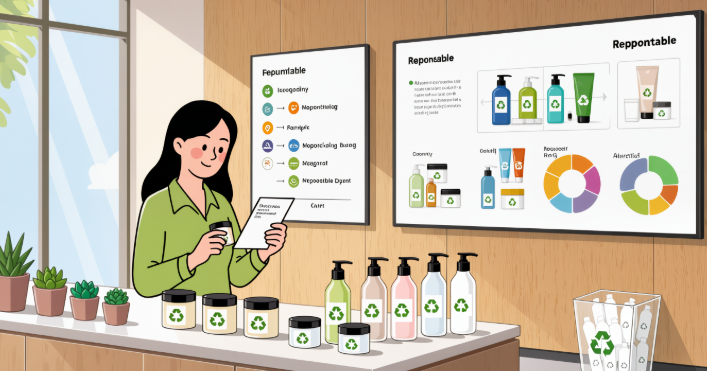
The role of consumer education in fostering a responsible-driven brand cannot be overstated, especially in the realm of cosmetics and personal care. As sustainability becomes an increasingly important factor in purchasing decisions, brands have a significant opportunity to engage and educate their customers about the importance of sustainable packaging. Through transparent communication, companies can illustrate the ecological impact of their packaging choices and promote awareness of product lifecycles.
One effective strategy for brands is to create informative content that outlines the benefits of using sustainable packaging options. This can include blog posts, social media campaigns, or even engaging video content. By using storytelling techniques, brands can help consumers relate to the environmental challenges associated with packaging waste and showcase how their products contribute to a greener planet. Additionally, fostering discussions around sustainability can further encourage consumers to think critically about their purchases. Brands can host Q&A sessions, webinars, or community events that focus on environmental topics, allowing consumers to engage directly and voice their thoughts.
Creating a community of conscious consumers is another critical aspect of consumer engagement. Brands can implement initiatives that invite feedback and suggestions regarding sustainable practices, empowering customers to feel a sense of ownership in the brand’s journey towards more eco-friendly operations. Loyalty programs that reward consumers for sustainable actions, such as recycling used containers or participating in sustainability educational activities, can also enhance engagement while reinforcing responsible behaviors.
Furthermore, partnerships with environmental organizations to promote education on responsible consumption can bolster a brand’s ethos, presenting it as a leader in sustainable practices. By prioritizing consumer education and engagement, brands in the cosmetics and personal care industry can cultivate a loyal, informed customer base committed to sustainability. Ultimately, these efforts not only benefit the planet but also support the long-term success of the brand in an increasingly competitive market.
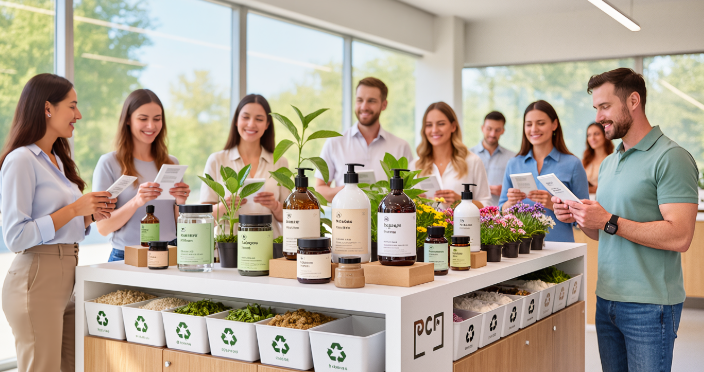
The cosmetics and personal care industry stands on the cusp of a profound transformation characterized by a growing commitment to sustainability. As consumers become increasingly aware of environmental issues and the impact of plastic waste, brands are anticipated to adapt their practices to align with the values of eco-conscious consumers. This shift signifies not only a responsibility to the planet but also a prime opportunity for innovation within the industry.
In the coming years, we expect to witness a surge in sustainable packaging solutions that leverage new materials, such as biodegradable composites and recycled content. These innovations are set to reduce the reliance on single-use plastics and foster a circular economy within the cosmetics sector. Brands that prioritize eco-friendly packaging will not only contribute to environmental conservation but also position themselves as leaders in a rapidly evolving market.
Moreover, consumer behaviors are projected to evolve, prioritizing transparency and accountability from brands regarding their sustainability efforts. Today’s savvy consumers are likely to scrutinize product ingredients, sourcing, and environmental impacts more than ever before. This shift will compel brands to establish robust transparency measures, showcasing their commitment to sustainability. As a result, the narrative surrounding a brand’s value proposition will increasingly highlight ecological stewardship.
In this competitive landscape, brand differentiation will hinge on the successful incorporation of sustainable practices. Companies that can effectively communicate their initiatives and demonstrate genuine commitment to environmental causes may enjoy significant market advantages. Furthermore, through limited editions, eco-friendly collaborations, and carbon-neutral initiatives, brands can engage consumers and cultivate lasting loyalty rooted in shared values.
Overall, the future of sustainable cosmetics appears bright as both industries and consumers unite in their quest for a greener planet. Enhanced awareness and continuous innovation will play critical roles in shaping a vibrant ecosystem where sustainability is lauded as an essential component of cosmetics and personal care.
