Address
304 North Cardinal St.
Dorchester Center, MA 02124
Work Hours
Monday to Friday: 7AM - 7PM
Weekend: 10AM - 5PM
Address
304 North Cardinal St.
Dorchester Center, MA 02124
Work Hours
Monday to Friday: 7AM - 7PM
Weekend: 10AM - 5PM

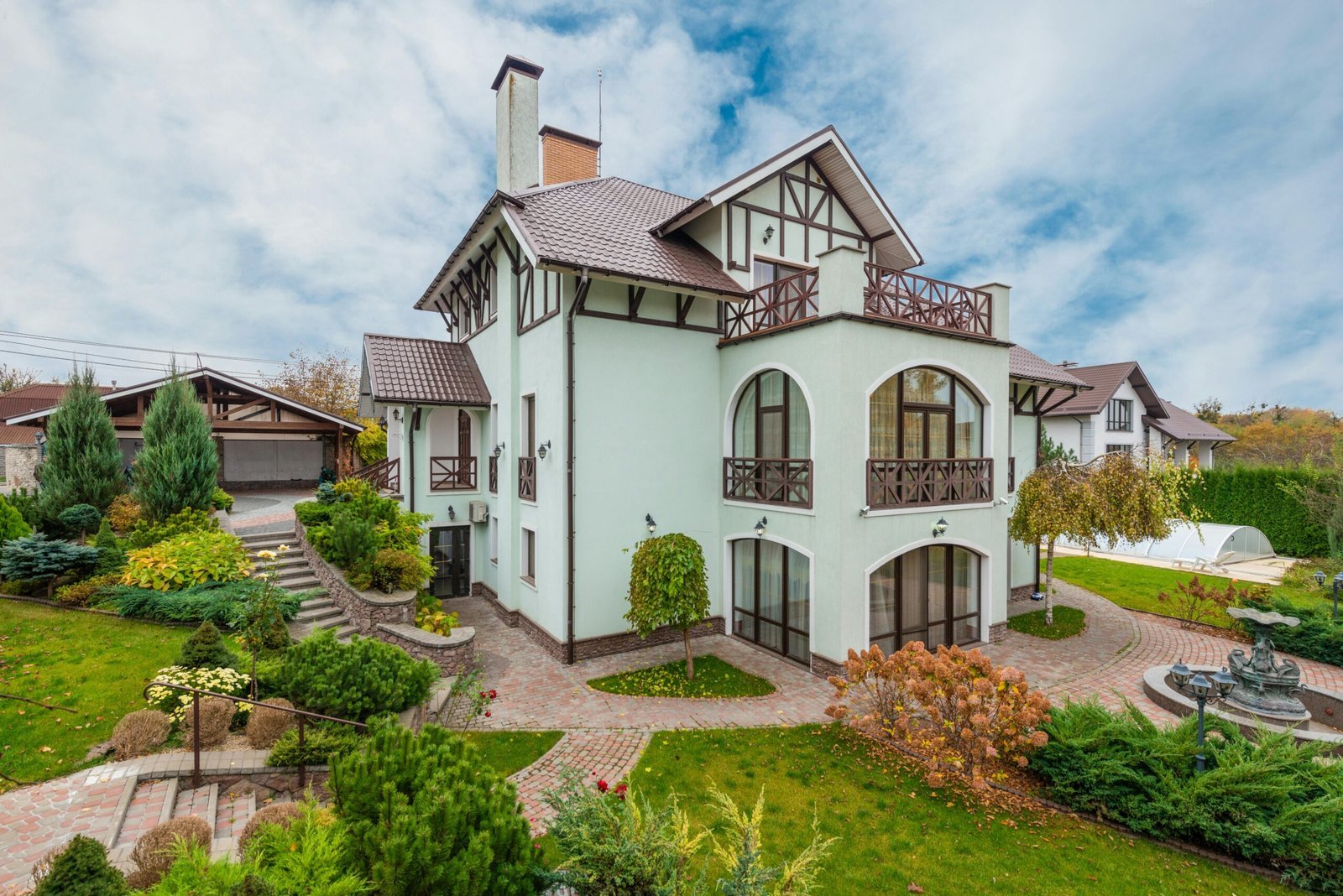
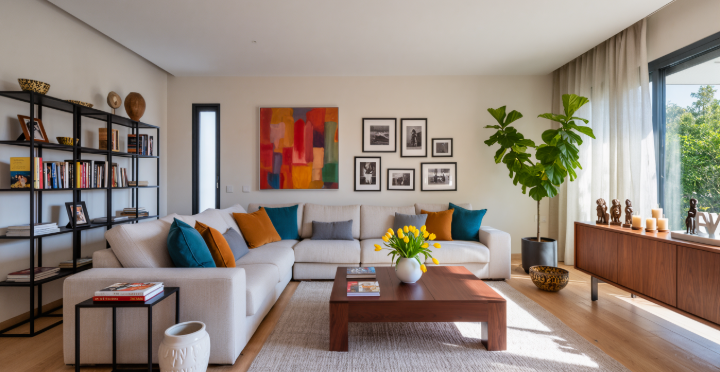
Your home is more than four walls—it’s a sanctuary that reflects your personality, values, and lifestyle. When thoughtfully designed, it also reflects your story, turning each room into a canvas that showcases who you are at your core. A well-curated space not only provides comfort and safety but also speaks volumes about your identity and the life you choose to create.
Think about the last time you walked into someone’s home. Did the space feel warm and welcoming? Did it reflect the person living there? The truth is, your home communicates a lot about you without saying a word. And the best part? You don’t need a big budget or an interior design degree to create a home that feels authentically you.
In this guide, we’ll explore practical strategies, design tips, and mindset shifts that will help you turn your home into a true reflection of your identity. From decluttering with purpose to choosing colors that spark joy, from weaving in personal memories to bringing nature indoors, you’ll discover how to design a space that’s stylish, meaningful, and deeply nurturing.
Why Your Home Should Reflect You
Your home isn’t just about aesthetics—it impacts your emotions, productivity, and even your overall well-being. A cluttered, uninspiring space can drain your energy, while a thoughtfully designed one can lift your mood and fuel your creativity.
When your living space reflects your personality, it:
Simply put, your home should feel like an extension of yourself—welcoming, comforting, and inspiring.
Step 1: Discover Your Personal Style
The first step to creating a home that reflects you is understanding your unique style. Many people copy what they see online without asking, “Does this really feel like me?”
Here’s how to uncover your true style:
Popular Styles to Consider:
The goal isn’t to fit into a box but to mix and match until your space feels right.
Step 2: Declutter and Simplify Your Space
Clutter is the biggest obstacle to creating a home that feels like you. It not only takes up physical space but also clutters your mind. Studies show that messy environments increase stress and lower focus.
Tips for Decluttering with Intention:
Example: Imagine a home office filled with old paperwork, unused gadgets, and random décor. After decluttering, you’re left with a clean desk, a few meaningful items, and functional tools. Instantly, the space feels more inspiring and productive.
Decluttering isn’t about living with nothing—it’s about surrounding yourself with what matters most.
Step 3: Harness the Power of Color
Colors influence our mood and energy more than we realize. Choosing the right palette can transform your home into a place that feels calm, energizing, or cozy depending on your needs.
Color Psychology Basics:
Practical Ideas:
Your color palette should reflect not just trends but your personality and lifestyle.
Step 4: Bring Nature Indoors
Humans are naturally drawn to nature—it calms us, inspires us, and makes us feel connected. Incorporating natural elements into your home design is one of the easiest ways to create harmony.
Ways to Add Natural Touches:
Even one potted plant on your desk can boost your mood and productivity.
Step 5: Prioritize Comfort and Coziness
Your home should be your haven—the place where you recharge. Comfort is key to making your space feel inviting and nurturing.
Tips for a Cozy Home:
Think of your home as a retreat from the outside world. Every room should invite relaxation.
Step 6: Infuse Personal Touches
This is where your home truly becomes yours. Personal touches make the difference between a generic house and a meaningful home.
Ideas for Personalization:
Example: Instead of buying generic wall art, frame photos from your travels or paint your own abstract canvas. Not only will it be unique, but it will also tell your story.
Step 7: Blend Functionality with Style
A beautiful home should also be practical. If your space doesn’t work for your daily life, it won’t truly reflect you.
Your home should serve your needs first—style should support functionality, not overpower it.
Step 8: Stay Authentic and Evolve Over Time
Remember, your home doesn’t need to be “perfect” right away. Just like you, it should evolve. Don’t rush to finish every room; let your space grow with you.
A home that reflects you is never static—it’s a living, breathing space that adapts to your journey Reflects.
Final Thoughts
Creating a home that reflects you is about more than design—it’s about self-expression, comfort, and connection. By understanding your style, decluttering with purpose, harnessing the power of color, embracing nature, prioritizing comfort, and adding personal touches, you’ll design a home that not only looks beautiful but also feels deeply meaningful.
Your home should be your sanctuary—one that supports your well-being, inspires your creativity, and tells your unique story. Start small, stay true to yourself, and watch your space transform into the ultimate reflection of you.
