Address
304 North Cardinal St.
Dorchester Center, MA 02124
Work Hours
Monday to Friday: 7AM - 7PM
Weekend: 10AM - 5PM
Address
304 North Cardinal St.
Dorchester Center, MA 02124
Work Hours
Monday to Friday: 7AM - 7PM
Weekend: 10AM - 5PM



Sustainable resource management is an approach that emphasizes the responsible and efficient use of natural resources to meet current needs without compromising the ability of future generations to meet their own needs. In an era characterized by heightened environmental awareness and the pressing challenges of climate change, businesses are increasingly compelled to incorporate sustainable practices into their operations. This shift is not merely a trend, but a vital response to the growing recognition that resource depletion and environmental degradation pose significant risks to long-term economic viability.
Effective management of resources entails optimizing the use of energy, water, and raw materials while minimizing waste and emissions. By adopting sustainable resource management practices, businesses can reduce operational costs, improve efficiency, and enhance their competitive edge. For instance, implementing energy-efficient technologies can lead to substantial savings on utility bills, while reducing water usage can lower costs associated with water supply and wastewater treatment. These financial benefits illustrate how sustainability is not just an ethical imperative but also a strategic business opportunity.
Moreover, customers and stakeholders are increasingly favoring organizations that demonstrate a commitment to environmental stewardship. This increased pressure from consumers and regulatory bodies has led companies to prioritize sustainability in their strategic planning. This encompasses a broad range of initiatives, from waste reduction schemes to responsible sourcing of materials, which collectively contribute to a reduced environmental footprint.
The transition towards sustainable resource management is essential for businesses aiming to thrive in today’s environmentally conscious landscape. By integrating sustainability into their operations, organizations not only contribute positively to the planet but also position themselves favorably in the marketplace, underscoring the importance of this vital practice in contemporary business strategies.
In an era where environmental consciousness is paramount, businesses are increasingly recognizing the economic advantages of adopting sustainable practices. Implementing energy-efficient measures, conserving water, and reducing waste not only contribute to a healthier planet but also result in significant financial savings. According to a study conducted by the Natural Resources Defense Council, businesses that invest in energy efficiency can reduce their energy costs by 20-50%, showcasing the tangible benefits of integrating sustainability into operational strategies.

One notable example of a company successfully embracing green practices is Interface, a carpet tile manufacturer. Through initiatives aimed at reducing their carbon footprint, the company has reported over $400 million in savings from their sustainability efforts. This underscores the message that committing to environmentally friendly practices can yield financial rewards without compromising profitability.
Moreover, the focus on water conservation can lead to further cost reductions. According to the World Resources Institute, businesses utilizing water-saving technologies can decrease their water bills by up to 30%. This is particularly critical in regions facing water scarcity, where conservation methods not only ensure compliance with regulations but also enhance a company’s reputation among consumers increasingly concerned about sustainability.
Waste reduction is another crucial component in the economic benefits of going green. By implementing a circular economy model—whereby materials are reused, recycled, or repurposed—businesses can significantly lower disposal costs. A case in point is Unilever, which has managed to reduce its waste by half while simultaneously increasing production, leading to elevated profit margins. Such case studies highlight that sustainable resource management directly correlates with reduced operational costs.
Ultimately, the combination of energy efficiency, water conservation, and waste reduction demonstrates that going green is not merely an ethical choice; it is also a strategic financial decision that can enhance a business’s bottom line.
In today’s competitive market, businesses are increasingly prioritizing efficient energy use as a fundamental component of sustainable resource management. By adopting innovative strategies, companies can significantly decrease energy consumption, leading to cost savings and environmental benefits.
One effective approach is the integration of renewable energy sources into the operational framework. Businesses can explore options such as solar panels, wind turbines, or geothermal systems to offset their energy needs. Transitioning to these technologies not only reduces dependency on fossil fuels but also positions companies as leaders in sustainability.
Conducting regular energy audits is another vital strategy. These assessments help identify areas where energy is being wasted and recommend practical improvements. By analyzing energy consumption patterns, businesses can implement targeted changes, such as upgrading insulation or choosing energy-efficient equipment, which collectively contribute to enhanced energy performance.
Furthermore, innovative smart lighting systems can revolutionize energy management within commercial spaces. Utilizing LED bulbs paired with motion sensors ensures that light is used only when necessary. Such systems can significantly lower electricity bills while providing adequate illumination for employees and customers alike.
Technology also plays a crucial role in real-time monitoring of energy use. Smart meters and energy management software allow companies to track their consumption data closely, making it easier to identify peak usage periods and adjust operational practices accordingly. This data-driven approach facilitates informed decision-making and encourages a culture of energy conservation within the workforce.
Incorporating these strategies not only fosters a more sustainable business environment but also enhances brand reputation. As awareness of environmental issues grows, consumers are more inclined to support brands committed to responsible energy practices. Therefore, prioritizing efficient energy use is not just a matter of compliance, but a strategic advantage in the modern business landscape.
Effective water management is crucial for businesses aiming to operate sustainably while reducing costs. One of the primary strategies for conserving water resources is the implementation of water-efficient technologies. These technologies range from low-flow faucets and showerheads to advanced irrigation systems that optimize water use in landscaping and agricultural practices. By integrating these solutions, businesses can significantly decrease their water consumption without compromising functionality.
Another valuable practice is the collection and utilization of rainwater through harvesting systems. Rainwater harvesting involves the capture, storage, and use of rainwater for various purposes, such as irrigation, toilet flushing, and even cooling systems. This approach not only alleviates pressure on municipal water supplies but also decreases utility bills, making it a financially sound investment. Additionally, businesses can explore greywater recycling, which involves reclaiming wastewater from sinks and showers for reuse in irrigation or toilet flushing.

Regular maintenance is also an essential component of effective water management practices. Unsurprisingly, leaks can lead to substantial water loss, which can translate into heightened utility costs. Therefore, businesses should carry out periodic inspections of plumbing systems, irrigation lines, and fixtures to identify and resolve any issues promptly. By prioritizing maintenance, companies can prevent inefficiencies and extend the lifespan of their water infrastructure.
Incorporating employee training programs that promote water conservation awareness can further enhance a company’s sustainable practices. This education not only doesn’t inform staff about the importance of water management but also encourages them to adopt daily behaviors that contribute to water saving. Implementing smart water management practices can lead to significant water and cost savings for businesses, ultimately fostering a sustainable operational framework.
In today’s resource-conscious environment, businesses are increasingly recognizing the importance of waste reduction techniques as a fundamental component of their operational strategy. By implementing effective waste management practices, companies not only enhance efficiency but also significantly lower their environmental impact. One of the most effective methods is the establishment of comprehensive recycling programs. These programs enable businesses to reclaim a significant portion of their waste, transforming it into reusable materials. By advocating for a circular economy, organizations can reduce landfill contributions while generating cost savings.
Beyond recycling, composting is another practical technique that businesses can adopt. Composting organic waste, such as food scraps and landscaping debris, converts biological matter into a valuable resource. This not only mitigates waste disposal costs but also provides nutrient-rich compost, which can be utilized in landscaping and gardening activities. Furthermore, companies can explore product redesign to minimize waste generation at the source. By rethinking product development and focusing on modular designs, businesses can reduce material usage and extend product lifespan, leading to reduced operational waste.
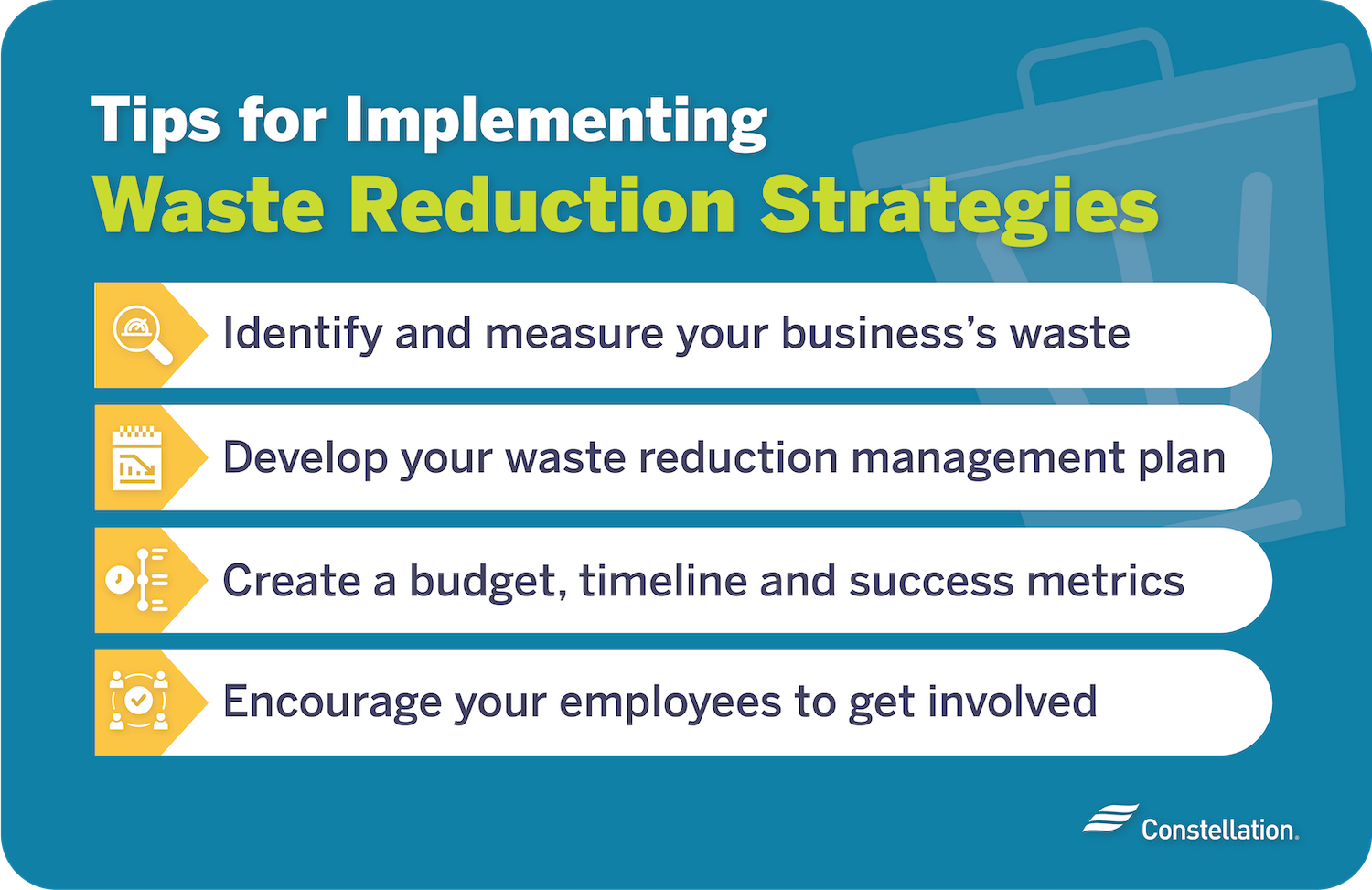
Employee training plays a pivotal role in reinforcing waste management practices within an organization. Training sessions can educate staff on the importance of waste reduction and equip them with the skills necessary for efficient waste segregation and disposal. Empowering employees not only fosters a culture of sustainability but also encourages participation in initiatives such as reducing paper usage and minimizing single-use plastics. Furthermore, by creatively re-purposing discarded materials, businesses can uncover new revenue streams, thereby turning waste into an asset rather than a liability.
In conclusion, integrating waste reduction techniques into business operations not only enhances efficiency but also contributes significantly to environmental sustainability. By implementing recycling programs, composting, product redesign, and employee training, organizations can effectively minimize their waste footprint while exploring potential new avenues for revenue generation.
Companies today are increasingly recognizing the importance of incorporating eco-friendly operational strategies into their business models. Adopting sustainable supply chain management practices, for example, is vital for minimizing environmental impact throughout the production and distribution processes. Businesses should assess their sourcing strategies and work with suppliers that adhere to sustainable practices, such as using renewable materials or minimizing waste. By prioritizing ethical sourcing, companies can reduce their carbon footprint while also showcasing their commitment to sustainability.

In addition to supply chain considerations, environmentally-friendly product development is another critical area of focus. Businesses can innovate by designing products utilizing sustainable materials, reducing harmful chemicals, and ensuring that their products are recyclable or biodegradable. By prioritizing these factors, organizations not only help in conserving natural resources but also cater to the growing consumer demand for greener options. Through research and development initiatives that emphasize sustainability, companies can create a competitive edge in the marketplace.
Moreover, businesses can enhance their brand reputation by pursuing green certifications. These certifications, which may include ISO 14001 for environmental management systems or LEED for sustainable building practices, serve as credible indicators of a company’s commitment to eco-friendly practices. By obtaining such certifications, companies can demonstrate their dedication to responsible resource management while also appealing to environmentally-conscious customers. Additionally, green certifications can provide businesses with access to new market opportunities and help in compliance with increasingly stringent environmental regulations.
Ultimately, implementing these eco-friendly operational strategies not only addresses environmental concerns but also contributes to long-term business sustainability. By prioritizing sustainable supply chains, developing environmentally-friendly products, and pursuing green certifications, companies can foster a culture of responsibility and resilience, positioning themselves favorably in the evolving marketplace.
Engaging employees in sustainability efforts is essential for fostering a culture that prioritizes sustainable practices within an organization. A fully engaged workforce not only contributes innovative ideas but also enhances the overall effectiveness of sustainability strategies. One effective way to encourage employee participation is through comprehensive training programs. These programs should educate staff about the significance of sustainability, the impact of resource management, and practical steps they can take in their daily roles. Workshops, webinars, and interactive sessions can be employed to make learning both informative and engaging.
Another strategy is to implement rewards systems that recognize and celebrate sustainable practices among employees. This recognition could take the form of bonuses, awards, or public acknowledgments during company meetings. By highlighting individuals or teams that exemplify sustainability in their work, organizations can create motivation and a sense of competition that drives further engagement. Additionally, establishing a feedback loop where employees can share their suggestions or feedback on sustainability initiatives can foster a sense of ownership and inclusivity, further solidifying their commitment to these efforts.
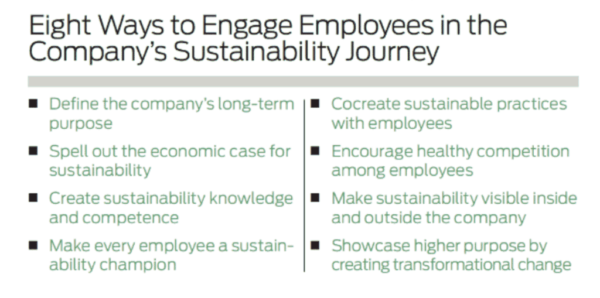
Creating an inclusive environment where all employees feel their input is valued is crucial for innovation in sustainability initiatives. Encouraging brainstorming sessions focused on resource management not only helps to generate actionable ideas but also promotes teamwork. Companies can achieve this by holding regular meetings dedicated to discussing sustainability, allowing team members to propose new strategies or enhance existing practices.
Importantly, the success of sustainable resource management practices often relies heavily on the active participation of the workforce. By fully integrating employee engagement strategies into sustainability initiatives, businesses can develop a strong corporate culture that prioritizes environmental responsibility, ultimately benefiting both the organization and the planet.
In the contemporary business landscape, measuring and reporting sustainability performance is increasingly crucial for organizations aiming to implement effective resource management practices. Accurate measurement provides a framework for assessing the effectiveness of sustainability initiatives, enabling businesses to make informed decisions that align with their strategic goals. Various metrics, such as carbon footprint, energy consumption, and waste reduction, serve as key indicators to gauge progress towards sustainable objectives. Utilizing these metrics allows companies to identify areas for improvement and track the impact of implemented changes.
To facilitate measurement, businesses can adopt tools like sustainability assessment frameworks and software, which streamline data collection and analysis processes. For instance, using platforms that integrate environmental, social, and governance (ESG) criteria can assist organizations in consolidating their sustainability performance data. These tools not only help businesses calculate their current performance but also benchmark their practices against industry standards. Ultimately, this aids in crafting more robust and effective resource management strategies.
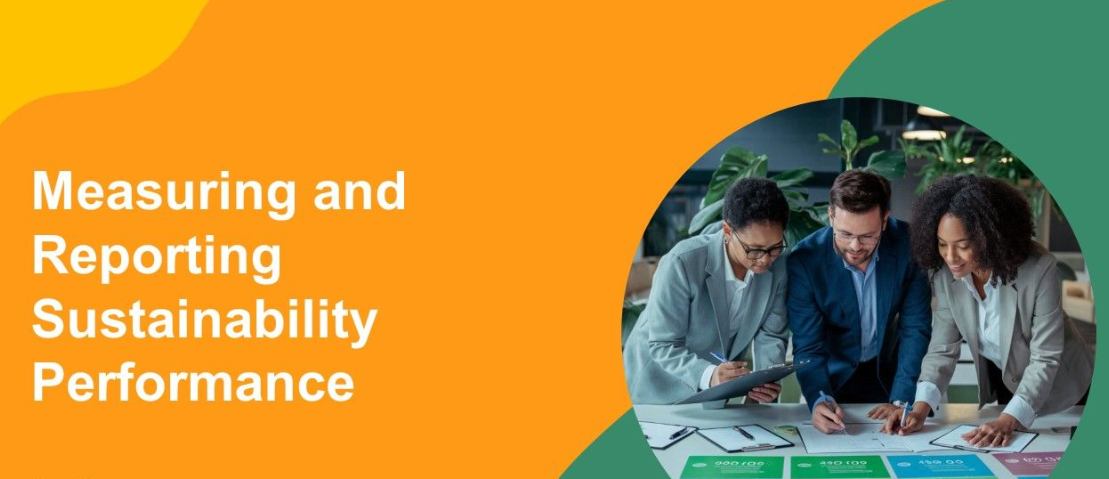
Transparency in sustainability reporting is of paramount importance, as stakeholders increasingly demand accountability from organizations. Communicating sustainability performance not only builds trust but also enhances the company’s reputation in an ever-competitive marketplace. Regular sustainability reports should detail both achievements and challenges faced, thus providing a holistic view of the organization’s journey towards sustainable practices. By demonstrating a commitment to sustainability through consistent reporting, companies can engage customers, investors, and employees, showcasing their responsibility in resource management.
In conclusion, measuring and reporting sustainability performance plays a pivotal role in informing businesses about their resource management efforts. By employing relevant metrics and ensuring transparency, organizations can better track their impact, foster stakeholder trust, and enhance their overall sustainability journey.
As we have explored throughout this blog post, the integration of sustainable resource management practices is no longer a mere option but a necessity for modern businesses. The pressing need to address environmental challenges, coupled with rising consumer consciousness about sustainability, calls for organizations to reassess their operational strategies. By adopting sustainable resource management, businesses can not only enhance operational efficiency but also contribute positively to the environment and society at large.
The key points discussed emphasize that implementing sustainable practices involves a multifaceted approach. From resource conservation and waste reduction to incorporating renewable energy sources, each aspect plays a vital role in advancing sustainability efforts. Companies that prioritize these strategies not only mitigate environmental impacts but also position themselves competitively in the marketplace. The adoption of sustainable practices can lead to increased customer loyalty, reduced costs, and enhanced brand reputation, all of which are crucial for long-term success.
Looking to the future, it is evident that sustainable resource management will continue to evolve. Emerging technologies, innovative materials, and shifting regulations will drive businesses to further integrate sustainability into their core operations. As we witness the rise of circular economies and advancements in sustainable supply chains, the importance of adapting to these trends cannot be overstated. Businesses are encouraged to stay informed and agile, responding effectively to the changing landscape of sustainability.
In conclusion, the journey toward sustainable resource management is a progressive one that requires commitment and dedication from all stakeholders. Organizations must not only recognize the significance of integrating these practices into their business strategies but also take actionable steps toward fostering a culture of sustainability. By embracing these changes, businesses will not only thrive economically but also pave the way for a more sustainable future for generations to come.
